
Work In Progress Inspection For Oil Engine Spares And Parts
Introduction
In engine manufacturing, even a minor assembly error can lead to significant downstream consequences. Defects that go undetected during assembly are often discovered only during final testing, resulting in costly rework, production delays, and wasted resources.
To address this challenge, one of India’s leading oil engine manufacturers partnered with PRAL VR to implement an AI-powered work-in-progress inspection system capable of identifying critical assembly defects in real time.
The Challenge
The manufacturer had established stringent quality control procedures throughout its production process. Despite these measures, occasional assembly defects still escaped detection and surfaced during final engine testing.
Although such incidents were infrequent, their impact was substantial. Identifying and correcting the root cause often required complete engine disassembly, leading to:
- Increased rework and labor costs
- Production downtime and schedule disruptions
- Additional quality verification efforts
- Reduced manufacturing efficiency
The customer required a solution that could detect assembly defects much earlier in the manufacturing process, before the engine reached the final testing stage.
Why Traditional Inspection Was Not Enough
Manual inspections play a critical role in manufacturing, but they can be affected by factors such as operator fatigue, process complexity, and increasing production volumes.
As assembly lines become more sophisticated, manufacturers need inspection systems that continuously monitor production and provide instant feedback without affecting throughput.
The goal was not to replace human operators but to enhance their capabilities with intelligent automation.
The PRAL VR Solution
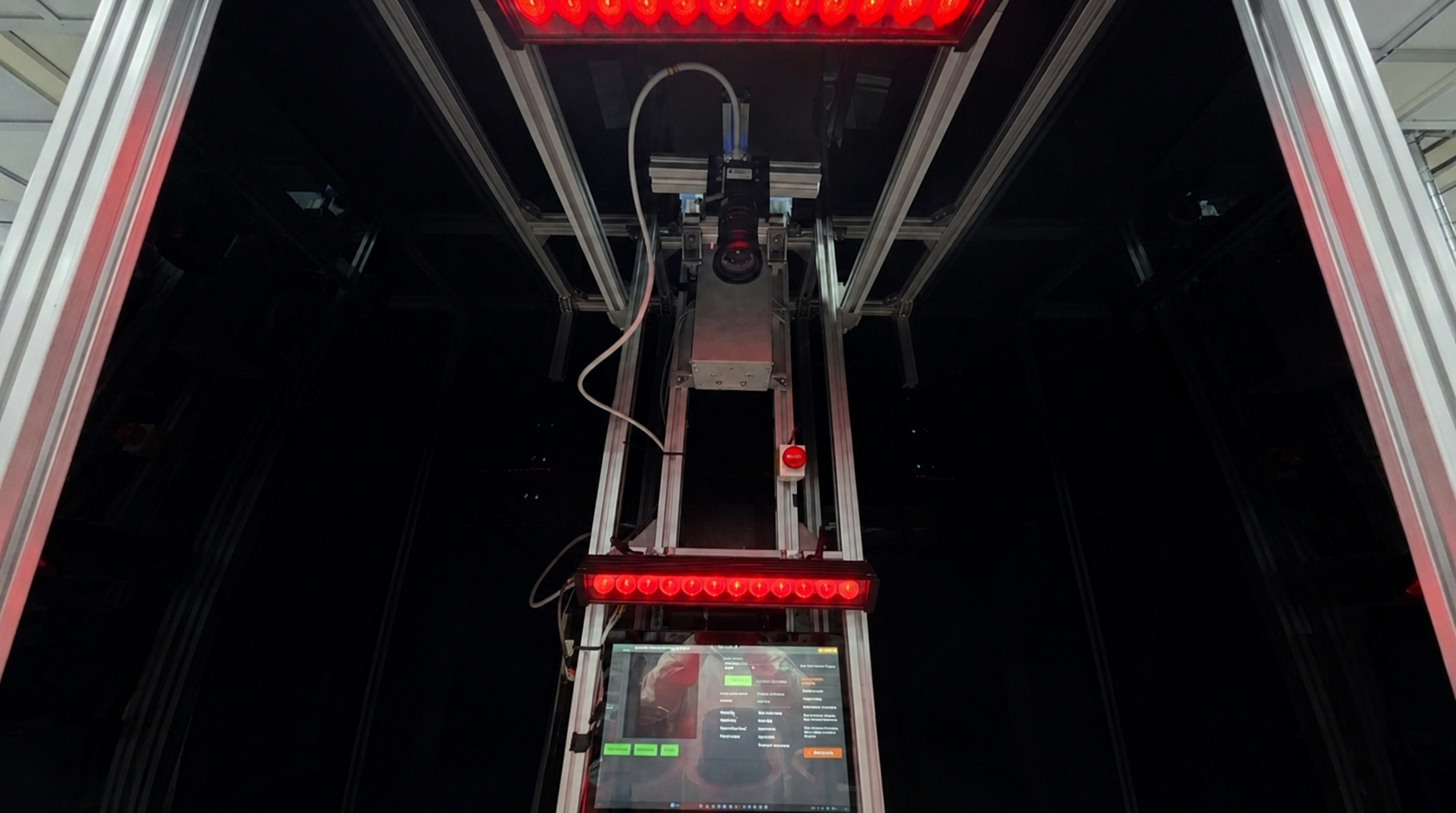
PRAL VR developed and deployed a real-time AI-powered vision inspection system that operates alongside the existing assembly process.
The solution combines industrial cameras, industrial lights, AI-based vision models, and workflow-driven inspection modules to monitor critical assembly stages as they occur. Images are captured and analyzed instantly, enabling immediate detection of assembly deviations, missing components, incorrect part placement, and other quality-related issues.
By performing inspections during assembly rather than after completion, the system helps prevent defects from progressing further down the production line.
Key Features
Real-Time AI Inspection
Industrial cameras continuously monitor assembly operations while AI models analyze images in real time, enabling immediate defect detection and corrective action.
Work-in-Progress Quality Validation
Inspection is performed at critical intermediate stages of assembly, ensuring defects are identified at the source before they become costly downstream issues.
Seamless Production Integration
The system was designed to operate within the existing manufacturing workflow without slowing production or requiring significant process changes.
Human-AI Collaboration
Rather than replacing operators, the solution provides an additional layer of quality assurance, reducing the risk of human oversight and improving inspection consistency.
Results and Business Impact
The deployment delivered immediate improvements in manufacturing quality and operational efficiency.
Earlier Defect Detection
Critical assembly defects are now identified during production rather than during final engine testing.
Reduced Rework Costs
By preventing defective assemblies from progressing through the manufacturing process, the customer significantly reduced rework efforts and associated costs.
Improved Production Continuity
Early intervention minimizes production disruptions and helps maintain smooth manufacturing operations.
Greater Process Reliability
The combination of operator expertise and AI-powered inspection delivers more consistent and repeatable quality control.
Enhanced Quality Assurance
The manufacturer gained increased confidence that every assembly stage meets predefined quality requirements before moving to the next process.
Conclusion
Modern manufacturers can no longer rely solely on end-of-line inspection to ensure product quality. Detecting defects at the source is essential for reducing costs, improving efficiency, and maintaining high production standards.
This project demonstrates how AI-powered work-in-progress inspection enables manufacturers to identify issues earlier, reduce rework, and build a more reliable and efficient production process.
As Industry 4.0 adoption continues to accelerate, intelligent vision systems are becoming a key enabler of proactive quality assurance and smart manufacturing.
About PRAL VR
PRAL VR develops AI-powered machine vision solutions for manufacturing industries, including defect detection, dimensional measurement, OCR, barcode and QR code scanning, work-in-progress inspection, and automated quality control. Our solutions help manufacturers improve product quality, increase productivity, and accelerate their journey toward smart manufacturing.